This Is A Land Of Liberty but Now America needs to massively repent or else.
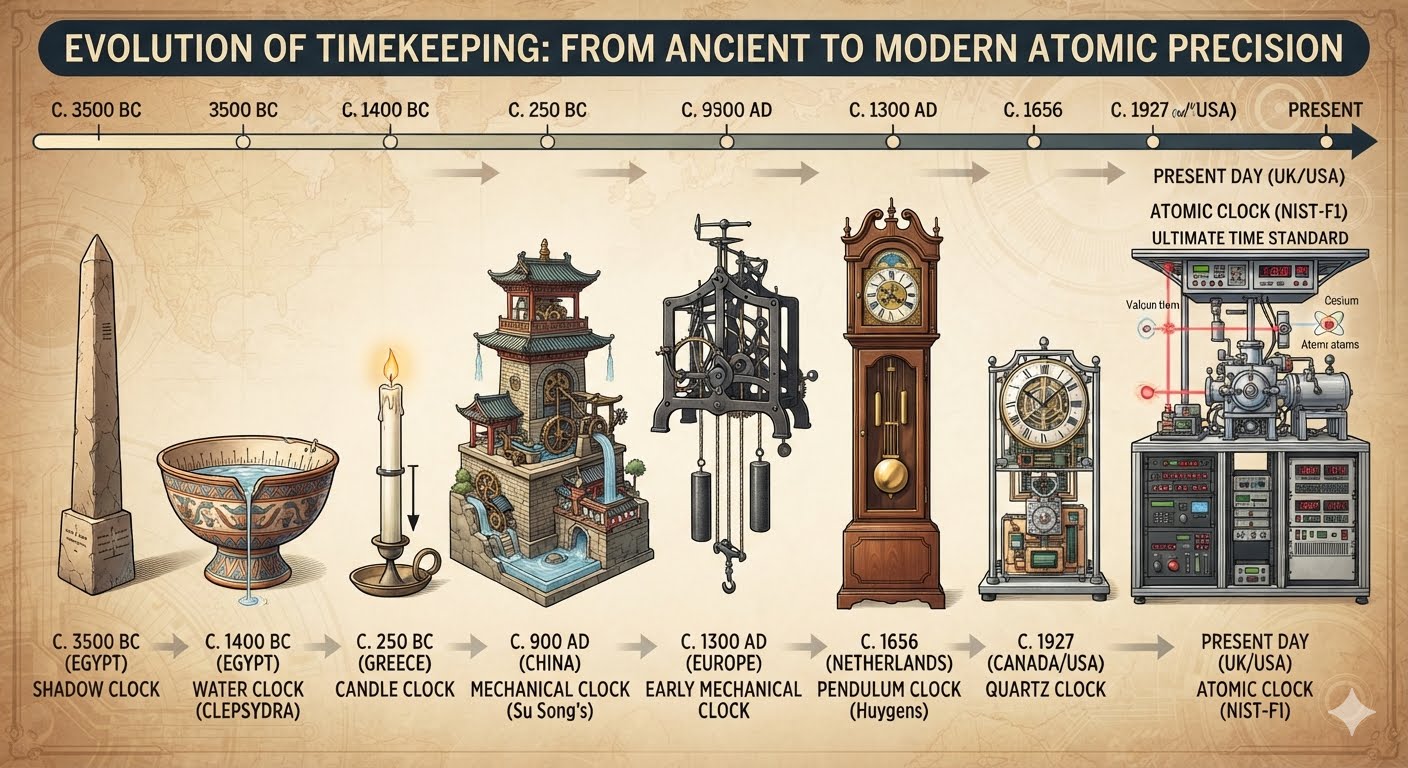
In 1977, I was invited to give a talk about atomic clocks at an international Symposium in Tokyo. Professor Musha from the University of Tokyo was my brilliant host. In the course of our conversation he asked me why so many inventions had been made in the United States. I responded because it is the land of liberty. People can be creative regardless of their race, status, heritage, or societal position, as it were.
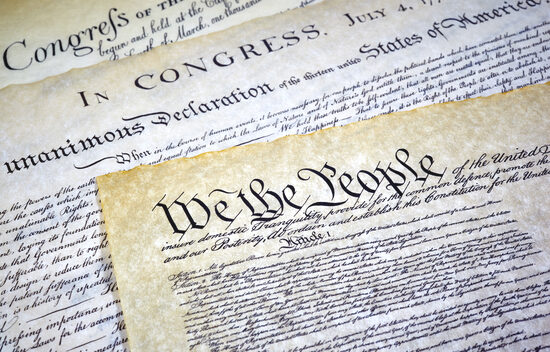
I was asked to give a talk on Constitution day, 17 September 2026, in Spring City. I share highlights from that talk as it ties beautifully into why this is the “Land of Liberty.”
Most people don’t know that the Bible was the most important research book for the United States of America’s founding documents. Here are a few Bible verses they might have referenced:
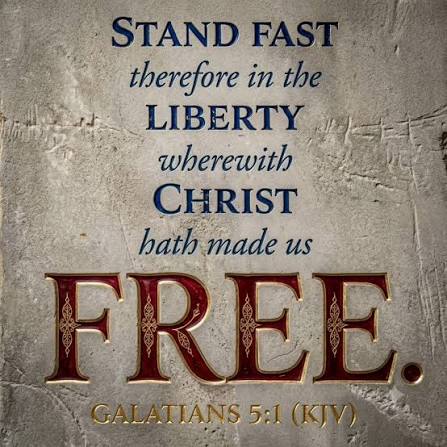
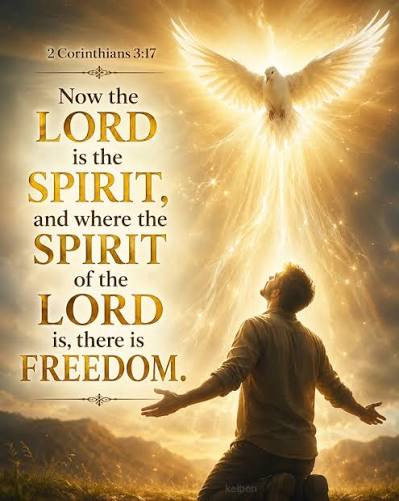
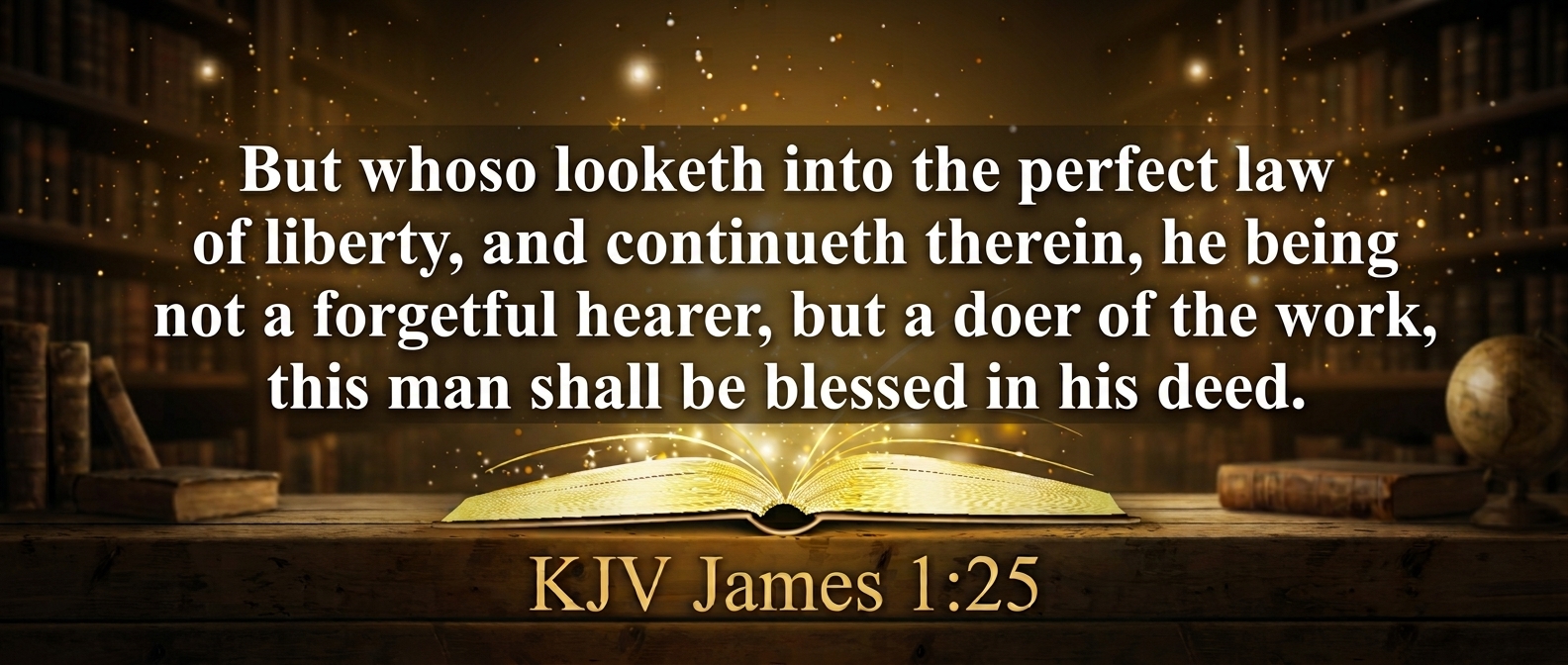
In the following, I share why the current moral decline in America is a serious issue and what can be done about it.
Part I: The Land of Promise
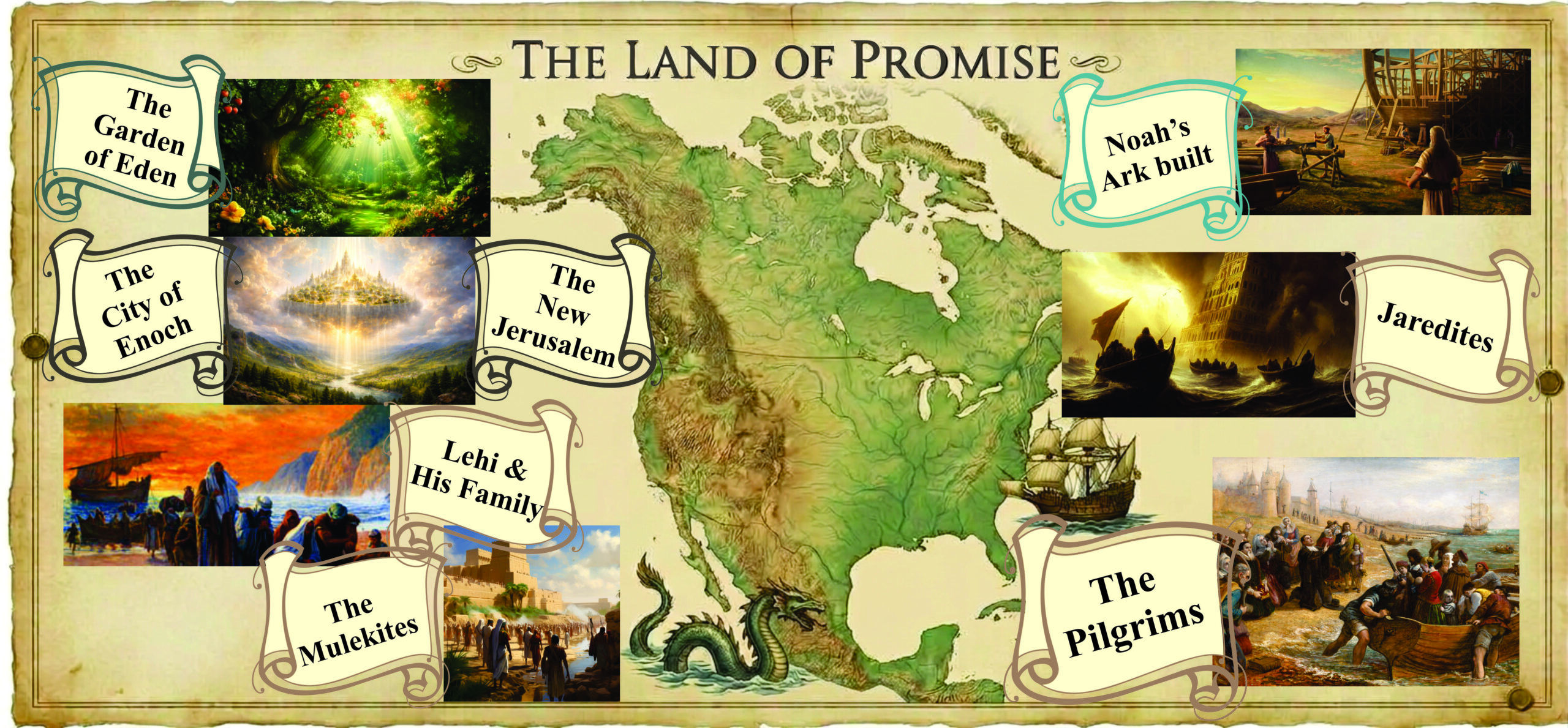
- Inhabitants of the Land of Promise
- The Garden of Eden was located in this, the Land of Promise.
- The City of Enoch was established here in ancient purity and will return to the New Jerusalem. (D&C 84:99-100)
- Noah built his ark in this sacred setting of North America.
- The Jaredite civilization was here for over 1,600 years.
Ether 2:9
And now, we can behold the decrees of God concerning this land, that it is a land of promise; and whatsoever nation shall possess it shall serve God, or they shall be swept off when the fulness of his wrath shall come upon them. And the fulness of his wrath cometh upon them when they are ripened in iniquity.
- The Lehites were sent to this Land of Promise.
- The Mulekites were sent here too and built the City of Zarahemla. (D&C 125:3)
- The Pilgrims were led to the Land of Promise, seeking freedom to worship God and build a covenant community.
For those who are wondering if the United States is the Promised Land spoken of in the Book of Mormon, I share Elder L. Tom Perry’s statement: “The United States is the promised land foretold in the Book of Mormon, a place where divine guidance directed inspired men to create the conditions necessary for the Restoration of the Gospel of Jesus Christ.”
I also have an article on my website that proves that North America is where the Book of Mormon took place and that the Mesoamerica model is false.
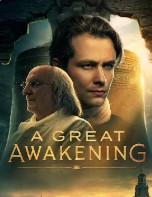
We had a great AWAKENING with the thirteen colonies when George Whitefield from England made seven trips to the colonies teaching them that liberty is only available through Jesus Christ. The movie “A Great Awakening” tells this remarkable story.
Despite their different backgrounds, George Whitefield and Benjamin Franklin formed a remarkably close and enduring friendship, orchestrated by Providence.
Recognizing the power of Whitefield’s message, Franklin used his printing press to publish and widely distribute Whitefield’s sermons throughout the colonies.
Motivated by Whitefield, the colonies were ready to fight for their liberty. On April 19, 1775 we have the famous shot that was heard around the world with the battle at Lexington and Concord against the Brits.
Then inspired by God we received the Declaration of Independence on the 4th of July 1776. The 56 signers knew if the Brits could catch them they would be hung. They all went through amazing trials, but survived the Revolutionary War, which we should not have won. But again, the Lord was in it.
In 1787, The Constitutional Convention had reached a complete deadlock. Deep divisions and heated debates had brought progress to a frustrating halt. It became overwhelmingly clear to the delegates that human intellect and political wisdom alone were insufficient to forge a unified, lasting republic. Benjamin Franklin rose and addressed the assembly during the bitter deadlock. He warned that without God’s concurring aid, they would succeed in this political building no better than the builders of Babel. He motioned for prayers to be held every morning before they proceeded to business, inviting divine intervention.
Seven days later on the 4th of July 1787 the path was clear with the assistance of Divine help we have our inspired Constitution. Then came the Bill of Rights and the Thirteenth Amendment—giving liberty to all Americans.
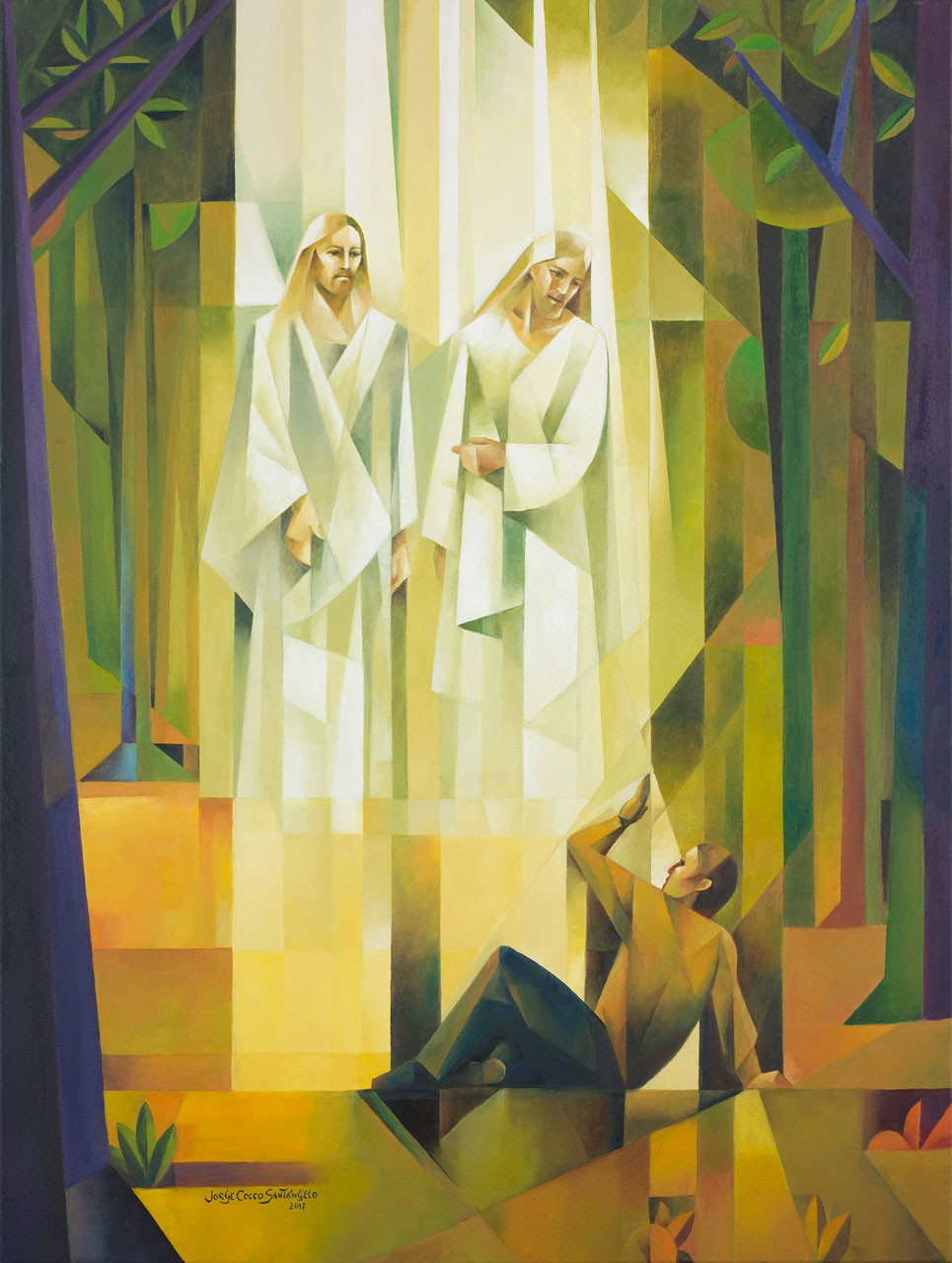
The heavens were opened on March 26th, 1820 when Joseph Smith was visited by God the Father and His Son Jesus Christ, commencing: “That in the dispensation of the fulness of times [God] might gather together in one all things in Christ, (Eph. 1:10).” Exactly 10 years later 5,000 copies of the Book of Mormon were made available in the Land of Promise. Printed in the Divine Ratio: 7½” x 4 ⅝.
There is evidence that Lincoln read the Book of Mormon, helping to bring about the Thirteenth Amendment.
Isaac Newton predicted the restoration as did Thomas Jefferson.
Part II: The War on Liberty
We again face the war designed to destroy our liberty.
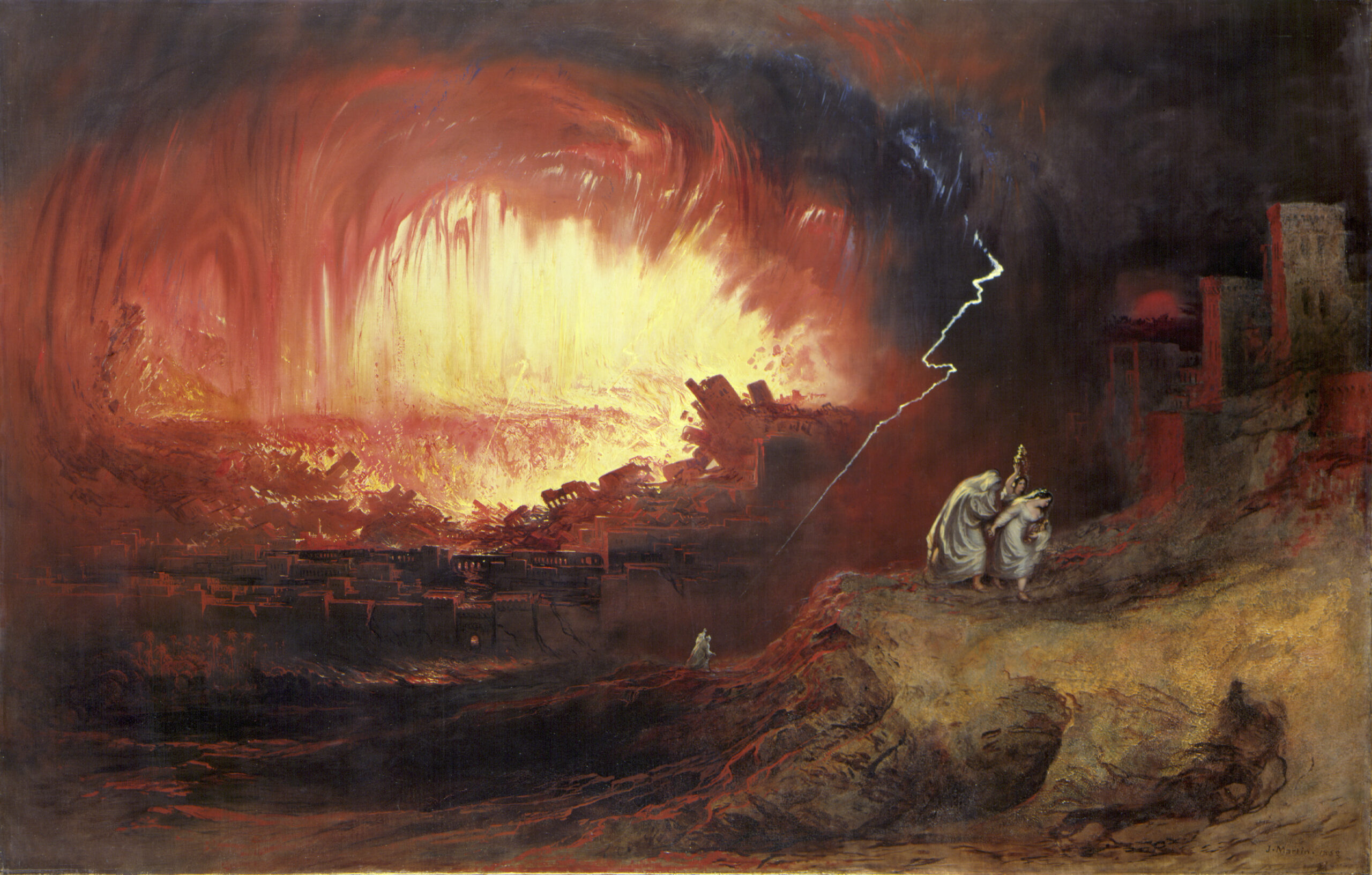
The New World Order (ODOR) driven by Satan: has cleverly promoted atheism in our education system. Power, gain, and control of the world; prophesied by Moroni. (Ether 8:19-26)

- Actively promotes communism and socialism – destroying individual sovereignty.
- Their goal is to depopulate the Globe and to make us slaves.
- 9/11 was inside job to appear defensive when, in fact, it was offensive. COVID another tactic.
- Now triggering hyperinflation at the expense of the poor, but for the rich.
- Amassing immense wealth via the military-industrial complex by incentivizing geopolitical conflict.
- Want a Cashless society so that we have to accept the Mark of the Beast. They want to prohibit all buying or selling without the mandated mark.
The New World Order wants to Destroy Christianity
Part III: Our Battle Strategy
The Scriptures Tell of Our Day & Clearly share What We Should Do
We each have different talents and missions. The Kingdom of Heaven is perfectly organized. It is up us to ask, to seek, and to knock, and the Lord has promised every sincere prayer will be answered in His TIME and not ours, and we will find and have opened to us what we can do. (Matt. 7:7-8; 2 Nephi 32:3)
Moroni in Mormon 8:35-38
35 Behold, I speak unto you as if ye were present, and yet ye are not. But behold, Jesus Christ hath shown you unto me, and I know your doing”
36 And I know that ye do walk in the pride of your hearts; and there are none save a few only who do not lift themselves up in the pride of their hearts, unto the wearing of very fine apparel, unto envying, and strifes, and malice, and persecutions, and all manner of iniquities; and your churches, yea, even every one, have become polluted because of the pride of your hearts.
37 For behold, ye do love money, and your substance, and your fine apparel, and the adorning of your churches, more than ye love the poor and the needy, the sick and the afflicted.
38 O ye pollutions, ye hypocrites, ye teachers, who sell yourselves for that which will canker, why have ye polluted the holy church of God? Why are ye ashamed to take upon you the name of Christ? Why do ye not think that greater is the value of an endless happiness than that misery which never dies—because of the praise of
the world?
Jesus declared: “3 Nephi 16:10-13
10 And thus commandeth the Father that I should say unto you: At that day when the Gentiles shall sin against my gospel, and shall reject the fulness of my gospel, and shall be lifted up in the pride of their hearts above all nations, and above all the people of the whole earth, and shall be filled with all manner of lyings, and of deceits, and of mischiefs, and all manner of hypocrisy, and murders, and priestcrafts, and whoredoms, and
of secret abominations; and if they shall do all those things, and shall reject the fulness of my gospel, behold, saith the Father, I will bring the fulness of my gospel from among them…”
One has to ask the hard question, “Who can reject the fulness of the gospel except those who have it?” Then the Lord goes on to share:
11 “And then will I remember my covenant which I have made unto my people, O house of Israel, and I will bring my gospel unto them.
12 And I will show unto thee, O house of Israel, that the Gentiles shall not have power over you; but I will remember my covenant unto you, O house of Israel, and ye shall come unto the knowledge of the fulness of my gospel.
13 But if the Gentiles will repent and return unto me, saith the Father, behold they shall be numbered among my people, O house of Israel.”
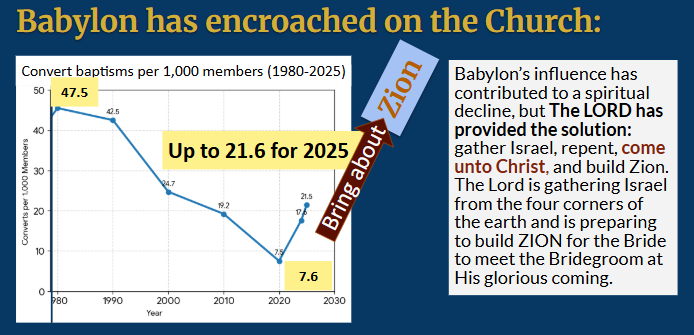
Babylon’s influence has contributed to a spiritual decline, but The LORD has provided the solution: gather Israel, repent, come unto Christ, and build Zion. The Lord is gathering Israel from the four corners of the earth and is preparing to build ZION for the Bride to meet the Bridegroom at His glorious coming.
We see the following in the graph of the converts per thousand members of the Church of Jesus Christ of Latter-day Saints. We see a remarkable turn around of this downward trend in 2020, as the Lord is “bringing again ZION, but most of the new converts are outside of the United States. Massive repentance is critically needed here now in America to avoid a major purging:
Acts 3:22-23 The Apostle Peter prophesied, “For Moses truly said unto the fathers, A prophet shall the Lord your God raise up unto you of your brethren, like unto me; him shall ye hear in all things whatsoever he shall say unto you. And it shall come to pass, that every soul, which will not hear that prophet, shall be destroyed from among the people.” And Moroni confirmed that quote when he first visited Joseph Smith, “He said that that prophet was Christ; but the day had not yet come when “they who would not hear his voice should be cut off from among the people,” but soon would come.” We are there in this Land of Liberty where we have been given so much and we see America in moral decline. Those who reject the Christ will “be cut off from among the people.”
Noah Webster in his famous 1928 AMERICAN DICTIONARY OF THE ENGLISH LANGUAGE shares, “…the principles of republican government have their origin in the Scriptures… the Christian religion is the most important and one of he first things in which all children under a free government, ought to be instructed.” Now 93 % of the leading scientists in America believe the Bible is a myth. We need anther George Whitefield to wake America up.
The prophet Nephi shares in 1 Nephi 13:37, 42
37 And blessed are they who shall seek to bring forth my Zion at that day, for they shall have the gift and the power of the Holy Ghost; and if they endure unto the end they shall be lifted up at the last day, and shall be saved in the everlasting kingdom of the Lamb; and whoso shall publish peace, yea, tidings of great joy, how beautiful upon the mountains shall they be.
…beheld other books,
The Book of Mormon will validate the Bible; (see also 2 Nephi 3:11)
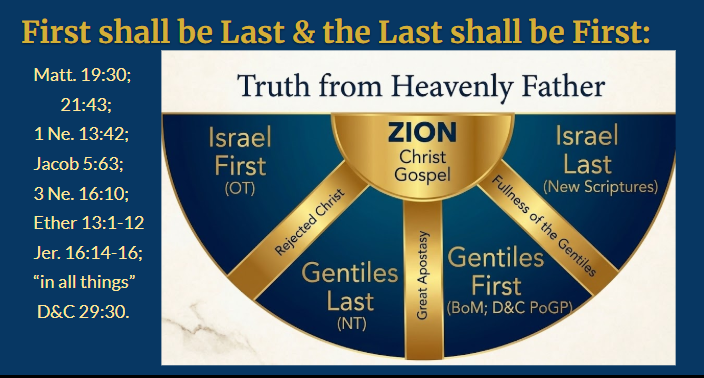
42 And the time cometh that he shall manifest himself unto all nations, both unto the Jews and also unto the Gentiles; and after he has manifested himself unto the Jews and also unto the Gentiles, then he shall manifest himself unto the Gentiles and also unto the Jews, and the last shall be first, and the first shall be last.
We see in the following diagram that we are living at that day when the FIRST is becoming the LAST, as the Lord is gathering Israel:
Moroni shares in Ether Chapter 8:23-24:
23 Wherefore, O ye Gentiles, it is wisdom in God that these things should be shown unto you, that thereby ye may repent of your sins, and suffer not that these murderous combinations shall get above you, which are built up to get power and gain—and the work, yea, even the work of destruction come upon you, yea, even the sword of the justice of the Eternal God shall fall upon you, to your overthrow and destruction if ye shall suffer these things to be.
24 Wherefore, the Lord commandeth you, when ye shall see these things come among you that ye shall awake to a sense of your awful situation, because of this secret combination which shall be among you; or wo be unto it, because of the blood of them who have been slain; for they cry from the dust for vengeance upon it, and also upon those who built it up.
I share in this final picture of what we can best do:
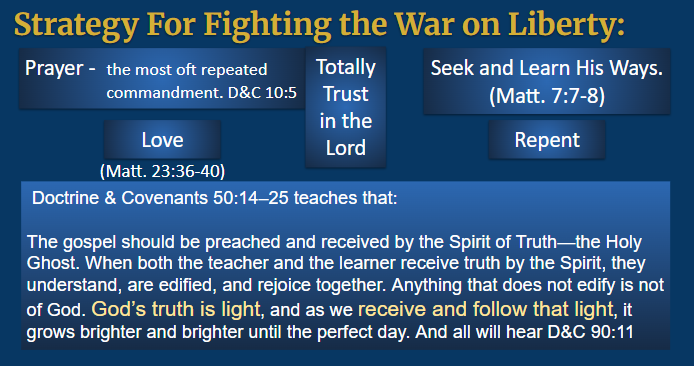
When Nephi does an inspired MIDRASH on the scriptures in Isaiah, he shares the end times in amazing clarity. I suggest you read all of 1 Nephi 22.
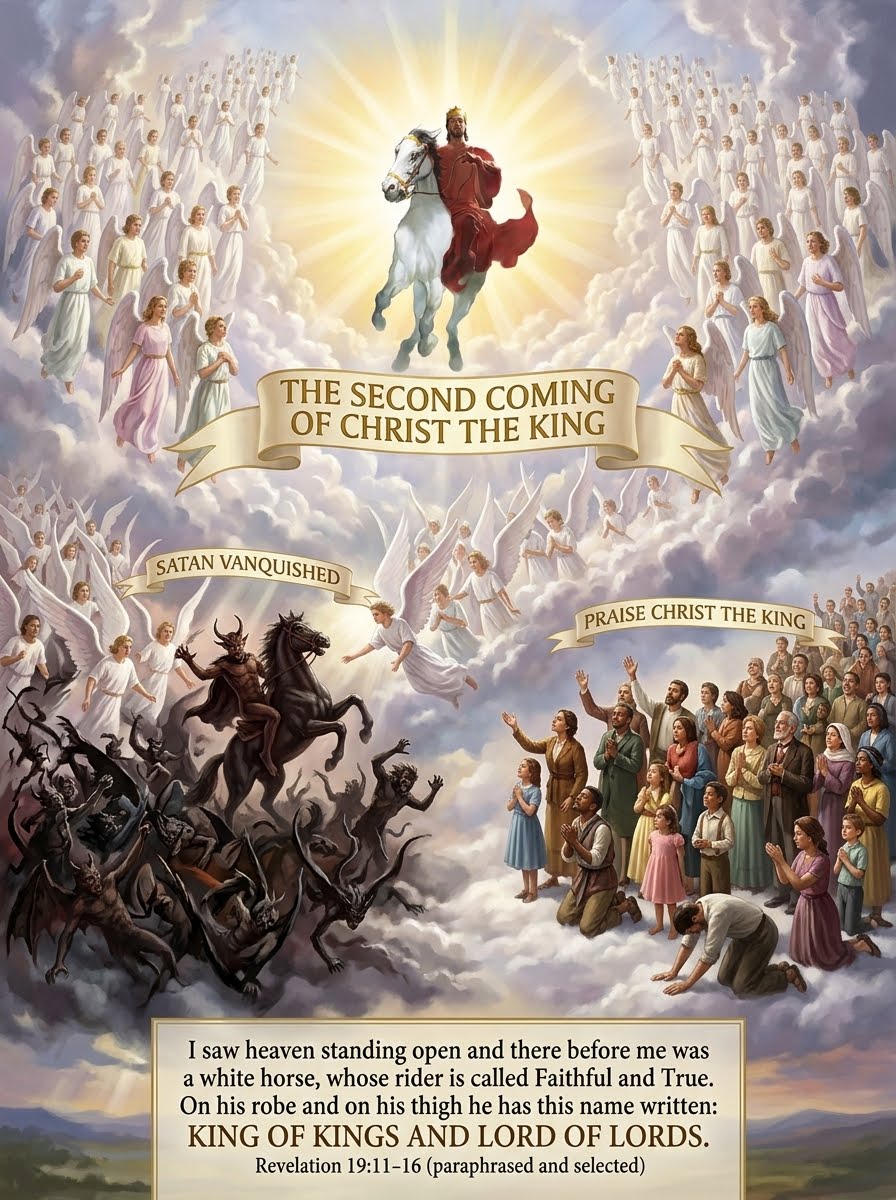
I pray that we will do the best we can. The glorious day of the Lord is at hand and we can be part of the ZION society to meet Him at His Coming, as we fully come unto Him with all of our hearts.
David W. Allan with Celeste Allan Lambson’s help.




 Garmin’s GPS receiver history begins with a vision in the late 1980s to bring the U.S. military’s Global Positioning System (GPS) to civilian use. In 1989, engineers Gary Burrell and Dr. Min Kao, both experienced in aviation and marine electronics, founded the company in Lenexa, Kansas, under the name ProNav. The name “Garmin” is a portmanteau of their first names. As Jon has found out, the Garmin GPS receiver has evolved into an incredibly useful tool.
 The yellow one is a ’58 Chevy that I built.
 This is a ’55 Ford pickup Rat Rod that I built. It has a lot of different parts from all kinds of cars. A 454 big block Chevy motor with an overdrive automatic trans.
  Rat Rod – 37″ HumVee rear tires, with a truck rear end.
 This is a ’33 Ford coupe that I built. It has a 350 Chevy motor that I built. It is an automatic trans. It has 18″ wide tires on the back.
  This is a ’53 Studebaker pickup, that I put on a ’93 Dodge frame. It has a 5.9 Cummins diesel, with an overdrive trans, and is a 4×4.
  This is a ’60 Rambler American that I built. It’s a Nissan 4×4 frame, with a Mercedes diesel engine and 5 speed manual transmission.
  This car I built for Carol. It is a ’41 Chevy coupe, that I put on an ’87 Chevy 4×4 pickup chassis. She calls it Chuck, for car/ truck.


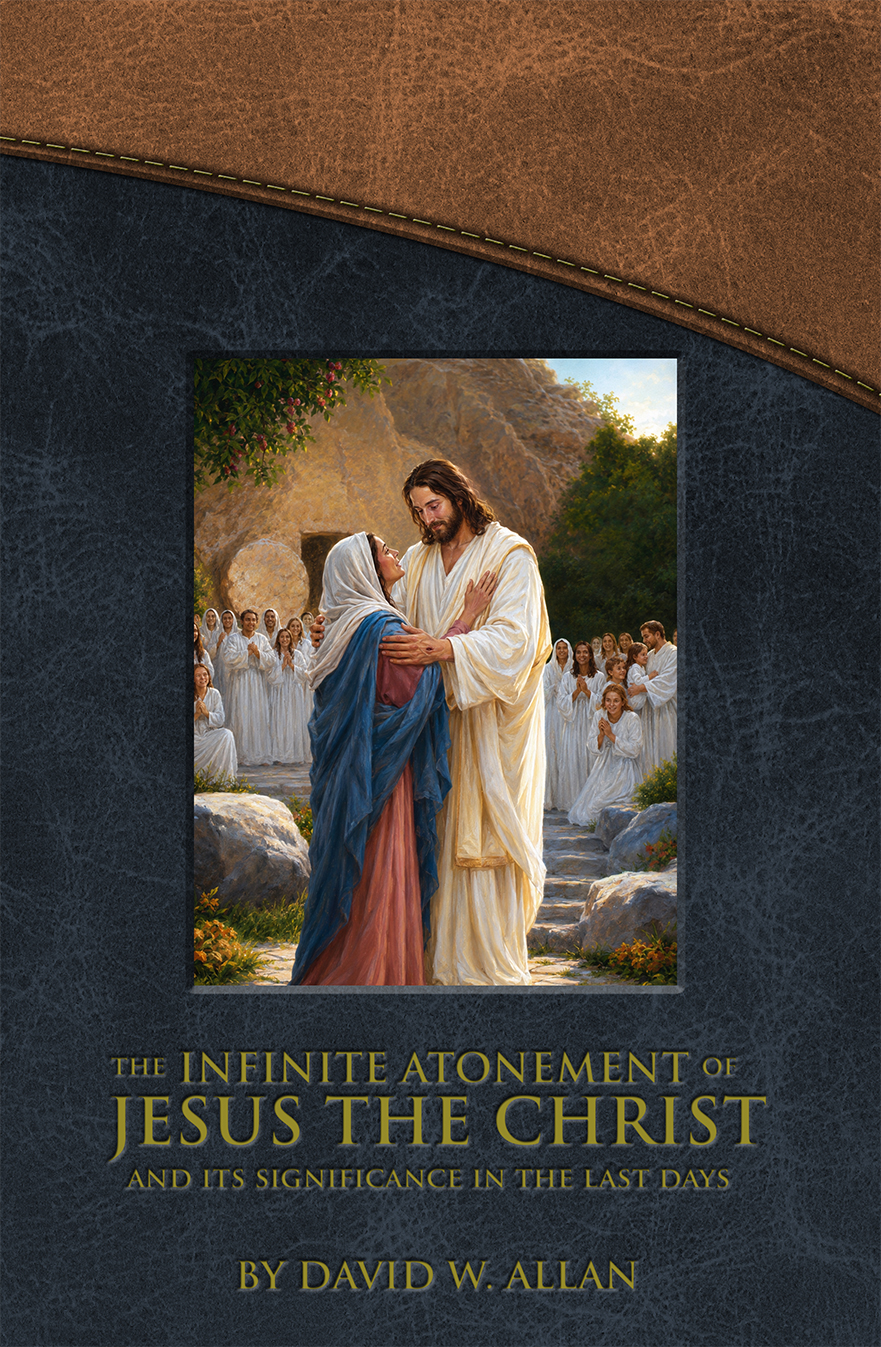 FOREWORD

 Once they gained a knowledge of how God’s covenants operated, they were willing to pay any price for making those extraordinary blessings happen.
 So what about us? Where do we fit in? Well, in the Book of Mormon, Nephi, Jacob, and Jesus turn the things we just read into a series of types and shadows of us—that is, when we in our day take on the same savior roles we just read about. That creates the context for the scripture that says, “They [meaning us] were set to be a light unto the world, and to be the saviors of men; And inasmuch as they are not the saviors of men, they are as salt that has lost its savor, and is thenceforth good for nothing but to be cast out and trodden underfoot of men” (D&C 103:9–10).
 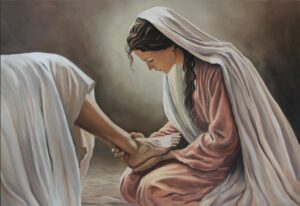 Mary, Lazarus’s sister, anoints Jesus in preparation for Him giving us the Infinite Atonement
 The blood stains from the crown can be seen in the




 “
“